
Austin Wedding Costs: What Couples Should Budget
If you’re trying to understand the average cost of a wedding in Austin, Texas, a useful current benchmark is about $37,000 for the ceremony and reception, according to The Knot’s 2026 Real Weddings Study, which surveyed couples married in 2025.
But that number is best used as a starting point—not a target.
Two Austin weddings can have completely different budgets depending on guest count, venue, food and beverage choices, rentals, florals, entertainment, photography, the day of the week, and how much each couple chooses to prioritize certain parts of the celebration.
That’s why the more useful question is not simply, “What does the average Austin wedding cost?”
It’s:
What will our wedding cost based on the kind of celebration we’re actually planning?
In this guide, we’ll break down the major expenses that shape an Austin wedding budget, where couples typically spend their money, how guest count affects the total, and where thoughtful decisions can make the biggest difference.
So, How Much Does a Wedding in Austin Cost?
According to The Knot’s 2026 Real Weddings Study, the average cost of a wedding in Austin is approximately $37,000 for the ceremony and reception.
For context, the same study reports a national average of $34,200.
Those figures are helpful benchmarks, but they should not be interpreted as what every couple should spend. An intimate weekday wedding with a smaller guest list may cost significantly less, while a large Saturday celebration with premium catering, custom florals, entertainment, rentals, and extensive design can cost considerably more.
The total is shaped by the choices behind the wedding far more than by the city average alone.
Some of the biggest factors include:
- guest count
- venue and what is included
- catering and bar service
- wedding date and season
- photography and videography
- florals and décor
- rentals
- entertainment
- planning and coordination
- attire, stationery, transportation, and other personal priorities
Understanding those categories is much more useful than trying to make your wedding fit one “average” number.
Where Does an Austin Wedding Budget Usually Go?
A wedding budget is rarely one large expense. It is a collection of fixed costs, per-person costs, and optional upgrades that can change significantly from one celebration to another.
Here are the major categories most Austin couples should account for when building a realistic wedding budget.
Venue
Your venue may include only the space itself, or it may also include tables, chairs, ceremony spaces, getting-ready areas, staff, rentals, or other amenities.
Because inclusions vary so widely, comparing venue prices based only on the initial rental fee can be misleading.
If you’re specifically researching venue costs, our Austin Wedding Venue Pricing Guide explains how site fees, inclusions, service charges, rentals, and other venue-related expenses can affect the final number.
Catering and Bar
Food and beverage costs often change directly with guest count.
A plated dinner, buffet, stations, cocktail-style reception, premium bar package, late-night snacks, and specialty drinks can all create very different totals even for weddings with the same number of guests.
When comparing catering proposals, look beyond the food price itself and ask whether staffing, rentals, service charges, taxes, gratuity, and bar service are included.


Photography and Videography
Photography is one of the categories many couples choose to prioritize because it is one of the few parts of the wedding that remains long after the day itself.
Coverage hours, second photographers, engagement sessions, albums, film packages, drone footage, and additional edits can all influence the final investment.

Florals and Décor
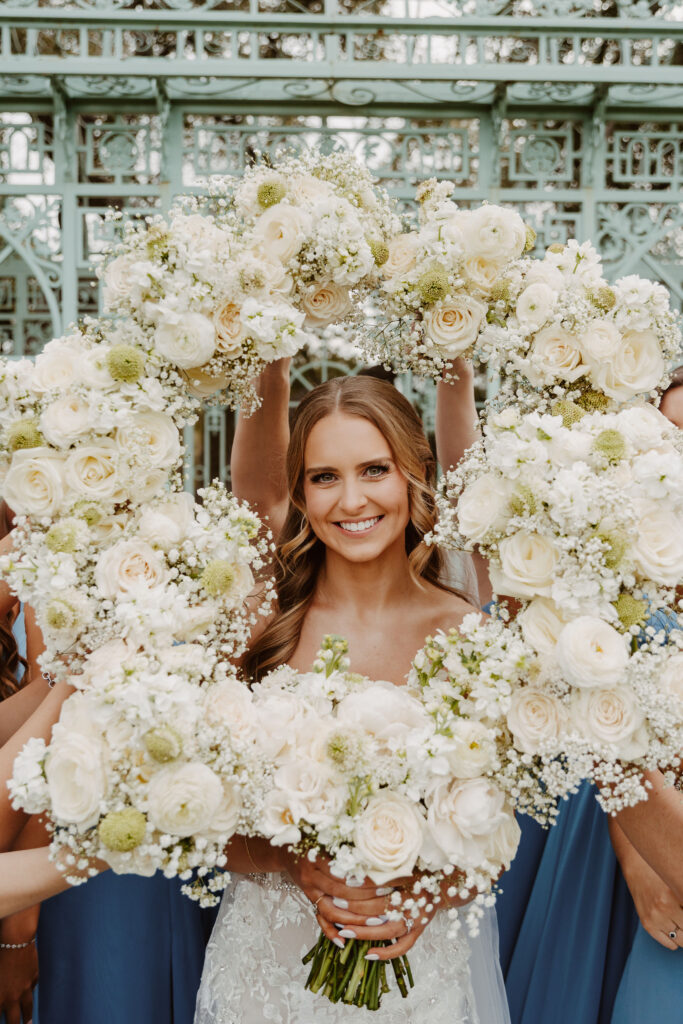
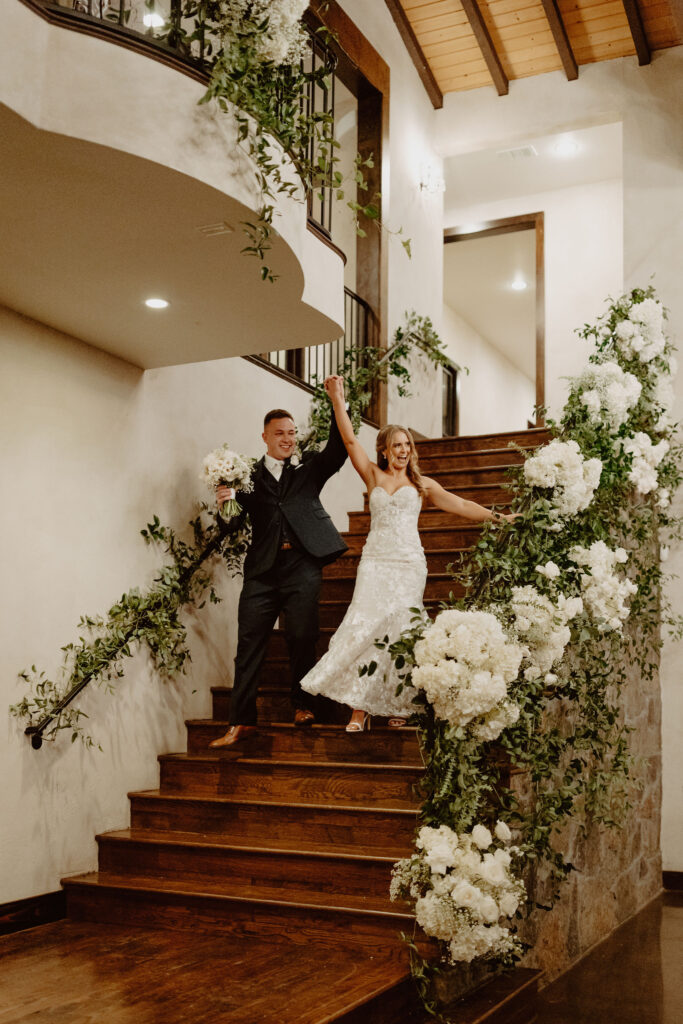
Floral budgets can vary dramatically depending on the number and size of arrangements, flower varieties, seasonality, installations, ceremony décor, and whether pieces can be repurposed between spaces.
A venue that already offers strong architectural details, landscaping, lighting, or natural scenery may also reduce the amount of additional décor needed to create a finished look.
Rentals
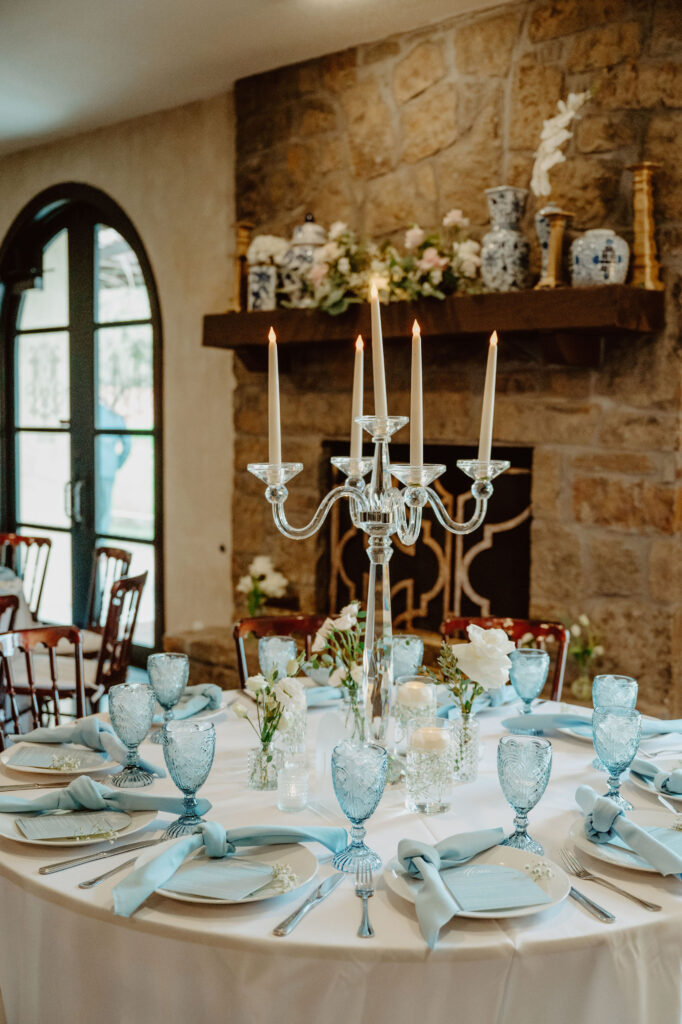
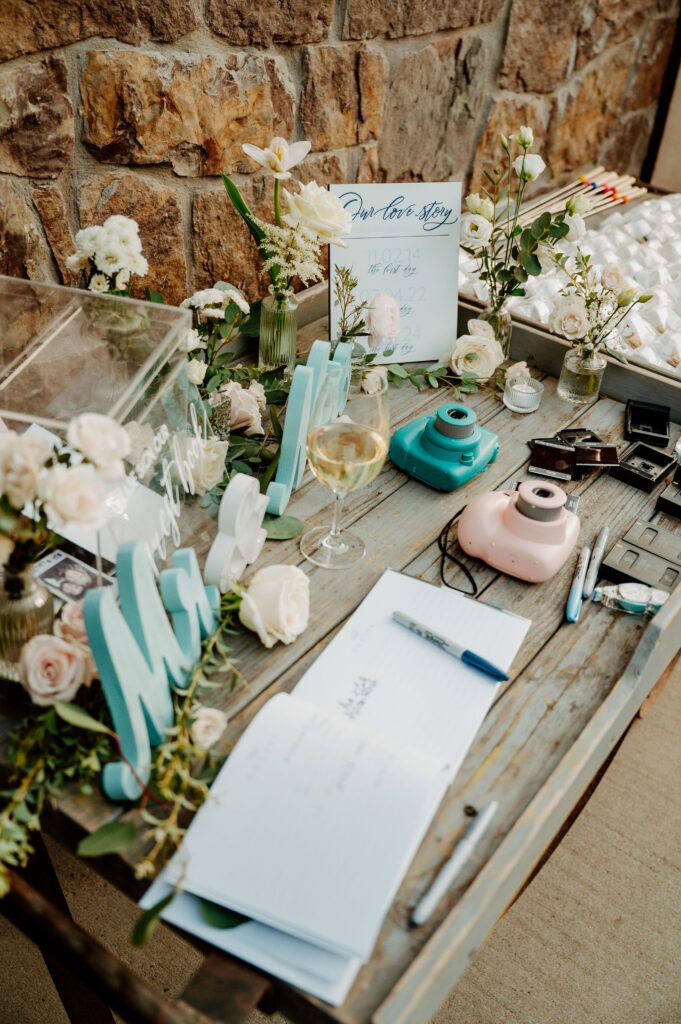
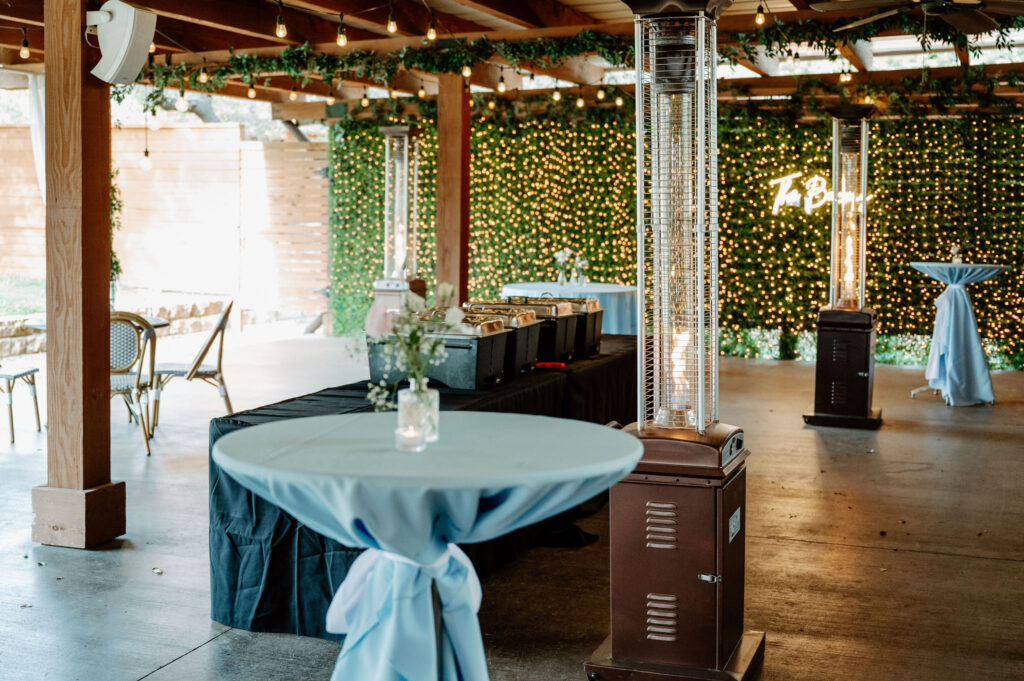
Depending on what your venue and caterer provide, you may need to budget separately for linens, specialty chairs, china, flatware, glassware, lounge furniture, tents, lighting, heaters, or other equipment.
This is one category that is easy to underestimate early in the planning process.

Entertainment
A DJ will generally create a different budget than a live band, while additional musicians for the ceremony or cocktail hour can increase the total further.
Entertainment choices are highly personal, so it helps to decide early whether music is one of your top priorities.
Wedding Planning and Coordination
Full-service planning, partial planning, and wedding-day coordination are different levels of service and therefore come with different price points.
A planner can also help couples understand where their budget is realistic, compare vendor proposals, and avoid expenses that may not be obvious at the beginning of the process.

Attire, Beauty, Stationery, Transportation, and Personal Details
Wedding attire, alterations, hair and makeup, invitations, signage, transportation, favors, wedding-party gifts, and other smaller categories can add up quickly.
They may feel minor individually, but together they can represent a meaningful part of the final budget.
The best way to manage these expenses is to build them into the budget from the beginning rather than treating them as last-minute extras.


How Guest Count Changes the Cost of a Wedding
Your guest count is one of the most powerful levers in your wedding budget because so many expenses are calculated per person.
Adding guests can increase the cost of:
- catering
- bar service
- tables and chairs
- linens
- place settings
- stationery
- favors
- transportation
- rentals
- sometimes floral and décor needs
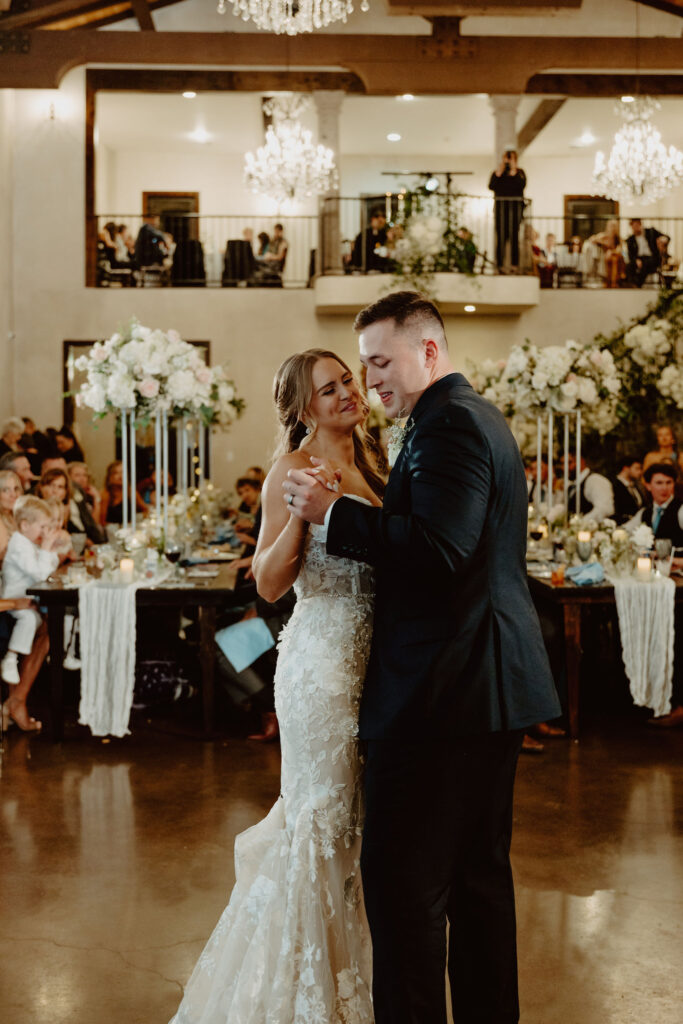
The Knot’s 2026 Real Weddings Study reported an average guest count of 117 guests and an average wedding cost of $292 per guest nationally.
That does not mean you should multiply 117 by $292 to calculate an Austin wedding budget. Some wedding expenses are fixed regardless of whether 75 or 150 guests attend, while others rise almost directly with headcount.
But the data illustrates an important point: guest count affects far more than the catering bill.
For example, reducing a guest list may allow a couple to spend more per person on food and beverage, upgrade the guest experience, invest more heavily in photography or florals, or simply bring the overall budget down.
On the other hand, if gathering a large group of family and friends is one of your highest priorities, it may make sense to simplify other categories rather than reduce the guest list.
There is no universally “right” guest count. The goal is to understand what each additional guest means for the rest of your budget.
What Affects the Cost of a Wedding in Austin?
Guest count matters, but it is only one part of the equation. Several other decisions can change the total cost of an Austin wedding substantially.
Your Wedding Date
Saturday weddings during popular seasons are often in higher demand than weekday, Sunday, or off-peak dates.
Some venues and vendors offer different pricing depending on the date, so couples with flexibility may have more options within a particular budget.
What Your Venue Includes
Two venues with similar rental fees may produce very different final budgets.
One may include tables, chairs, ceremony spaces, getting-ready suites, staff, and certain rentals, while another may require those items to be sourced separately.
That is why couples should compare total expected cost, not simply the venue’s starting price.
For a deeper look at this part of the budget, read our Austin Wedding Venue Pricing Guide.
Your Food and Beverage Choices
A formal plated meal, premium open bar, champagne toast, signature cocktails, and late-night food create a different budget than a simpler buffet or beer-and-wine package.
This is also one of the areas where guest count can have the greatest effect.
Your Design Priorities
Custom floral installations, specialty rentals, upgraded linens, large-scale signage, elaborate lighting, and custom stationery can create a highly personalized celebration, but they also add to the total.
Couples can often manage this category more effectively by choosing a venue they already find beautiful and deciding which design elements will have the most visual impact.
Your Vendor Team
Experience, demand, scope of service, hours of coverage, staffing, travel, equipment, and customization all affect vendor pricing.
The least expensive proposal is not automatically the best value, just as the highest proposal is not necessarily the right fit for every wedding.
The important thing is understanding what is included and whether the service matches your priorities.
How to Manage Your Austin Wedding Budget
A realistic wedding budget is less about cutting everything and more about deciding where your money will matter most.
Decide on Your Priorities First
Before booking vendors, choose the two or three parts of the wedding that matter most to you as a couple.
That might be:
- an unforgettable meal
- photography
- live music
- florals
- guest experience
- a beautiful venue
- a larger guest list
When priorities are clear, it becomes easier to spend intentionally instead of upgrading every category.
Build the Guest List Early
Because guest count influences so many expenses, your budget will be much easier to manage once you know whether you are planning for 60 guests, 120 guests, or 200 guests.
A smaller guest list does not automatically mean a less meaningful wedding. It may simply allow you to invest more in the experience of each person who attends.
Compare Inclusions, Not Just Starting Prices
A lower starting price can become less attractive if you later need to add rentals, staffing, transportation, furniture, lighting, or other essentials.
When reviewing proposals, ask:
What will we realistically need to spend to host the wedding we are imagining here?
That question gives you a much more useful comparison than the initial price alone.
Use the Setting You Already Have
If your ceremony space has beautiful landscaping, architectural details, or a natural focal point, you may not need to build an entirely new visual environment with décor.
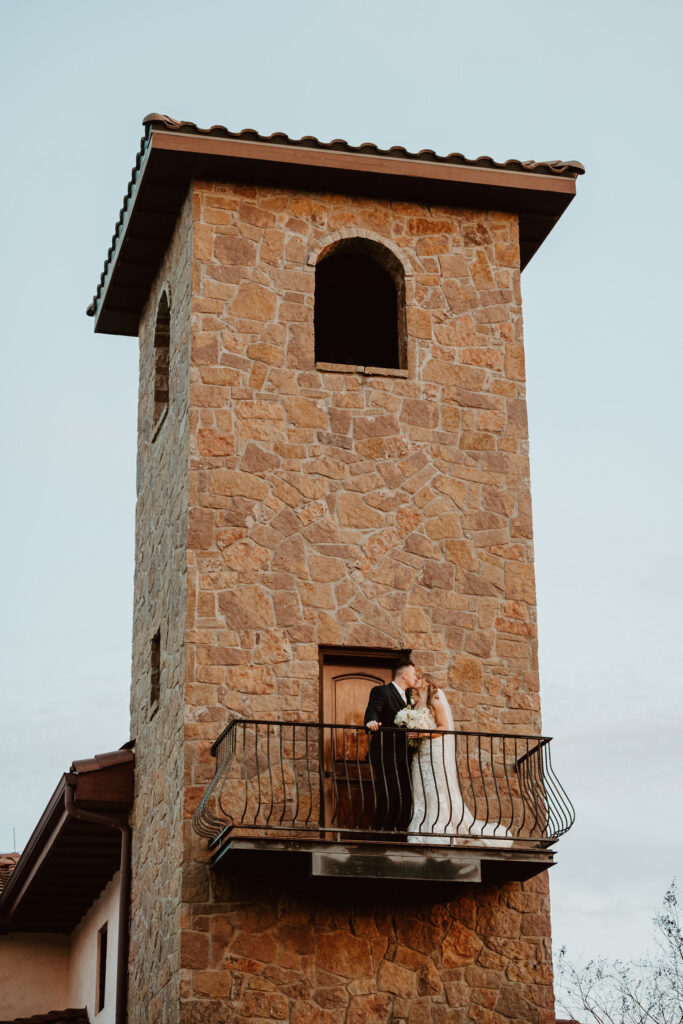
At Ma Maison, spaces such as the Green Cathedral, Great Hall, Lake View, Bell Tower, and the surrounding Hill Country landscape already provide a distinct backdrop. Couples can then choose where additional florals and décor will have the most impact rather than treating every surface as something that needs to be transformed.
Ask About Date Flexibility
If your wedding date is flexible, ask venues and vendors whether pricing changes by day of the week or time of year.
The goal is not to choose a date you dislike simply because it costs less. It is to understand all of your options before assuming a Saturday in peak season is the only choice.
Leave Room for Expenses You Did Not Expect
Service charges, taxes, gratuities, alterations, transportation, rentals, delivery, setup, overtime, and last-minute additions can push a budget higher than the initial vendor estimates suggest.
Keeping a contingency amount in your overall plan gives you room for those expenses without having to rethink the entire wedding later.
How Much Should You Budget for an Austin Wedding Venue?
Venue cost is an important part of the overall wedding budget, but the rental fee alone rarely tells the whole story.
What matters is what the venue includes and what you will still need to bring in separately. Tables, chairs, ceremony spaces, staffing, rentals, setup, cleanup, getting-ready spaces, and other amenities can all affect the true cost.
Because venue pricing deserves a more detailed explanation, we cover it separately in our Austin Wedding Venue Pricing Guide, including common fee structures, inclusions, and questions to ask before comparing proposals.
For this article, the important takeaway is simple:
Treat the venue as one part of the full wedding budget, not as the entire budget itself.
Austin Wedding Cost FAQs
What is the average cost of a wedding in Austin, Texas?
The Knot’s 2026 Real Weddings Study reports an average Austin wedding cost of approximately $37,000 for the ceremony and reception. Actual budgets can be much lower or higher depending on guest count, venue, vendors, date, and the style of celebration.
Is $30,000 enough for a wedding in Austin?
It can be. A $30,000 budget may require more intentional decisions around guest count, venue, food and beverage, rentals, and design, but there is no single minimum amount required to host a meaningful Austin wedding.
The better question is whether the budget fits the guest count and priorities you have chosen.
What is the biggest expense in a wedding budget?
There is no single largest expense for every wedding. Venue, catering, and bar service often represent significant portions of the budget, especially for larger guest counts, while other couples may prioritize florals, entertainment, or photography more heavily.
Does having fewer wedding guests save money?
Usually, yes. Catering, drinks, rentals, stationery, and several other expenses increase with guest count. Some wedding costs are fixed, however, so reducing the guest list does not reduce every category equally.
How can we keep our Austin wedding budget under control?
Start with a realistic total budget, build the guest list early, identify your top priorities, compare vendor inclusions carefully, and leave room for taxes, service charges, gratuities, rentals, and other expenses that may not appear in the initial price.
Planning an Austin Wedding at Ma Maison
Understanding the average cost of a wedding in Austin can give you a helpful benchmark, but the best budget is the one built around your guest count, priorities, and the experience you want to create.
At Ma Maison, our team can help you understand what is included, how our different spaces can work for your celebration, and what to consider as you build the rest of your wedding budget.
If Ma Maison is on your venue list, you can view current pricing and availability or schedule a private tour to see the property and talk through your plans in person.


I absolutely love this blog post! I’ve seen too many articles stating that the average cost of weddings is somewhere between $60k – $120k (which I’m sure can be true) which makes couples feel bad if they can’t spend that amount, or worse, makes them feel obligated to spend that much. The truth is – there are ways to be more budget conscious vs just throwing money out there because that’s the ‘average’ or ‘industry” standard. So love that this post is giving couples a different alternative!
Lisa
Imperfectly Planned
http://www.imperfectly-planned.com