
Why Your Wedding Seating Chart Changes Everything
Dearest Gentle Reader,
A wedding seating chart may not be the most romantic detail, but it is one of the most important.
As we continue your preparation for society, celebration, and the party of the century, today we must discuss a topic many couples resist until the very end.
The seating chart.
It is not dreamy. It is not floral. It is not usually the detail anyone wants to linger over with a glass of champagne. And yet, few decisions have greater power over the feeling of a wedding reception than where people sit once dinner begins.

At the most beautiful garden wedding venues in Austin, a thoughtful seating chart does far more than assign chairs. It protects conversation, preserves comfort, prevents awkward interactions, and helps every guest feel considered. Modern planning guidance still emphasizes that well-planned seating supports smoother guest flow and helps ensure key family members and honored guests are placed appropriately.
So today’s lesson is this: couples may think seating charts are optional. Experienced hosts know they are essential.
A thoughtful seating chart prevents confusion, awkward social dynamics, and guest discomfort by helping people sit where they can enjoy the celebration most comfortably. Traditional host-led seating has long been tied to good conversation and orderly dining, and modern wedding planning guidance still recommends intentional seating rather than leaving it to chance.
The Tradition Behind Seating Arrangements
The idea of carefully placing guests at table is not new.
Formal host-led seating has deep roots in European dining etiquette, where hosts were expected to guide conversation, balance personalities, and place guests intentionally. Emily Post still describes seating at formal meals as something that should be planned, not improvised, with hosts considering rank, relationships, and comfort.
So while it is fair to say that Victorian-era hosting popularized highly deliberate seating as part of a polished social experience, the larger principle is older and broader than one era alone: good hosts do not leave shared dining to chaos.
That is what makes the seating chart such a timeless tradition.
It is not about controlling the room.
Instead, it is about caring for the room.
Victorian hosts understood that where people sat shaped how they felt, how they conversed, and how the evening unfolded. In that sense, modern couples have inherited the same challenge.
Only now, instead of one long dinner table, they may be managing round tables, blended families, college friends, coworkers, grandparents, children, and plus-ones who know no one.
In other words, the stakes may actually be higher.

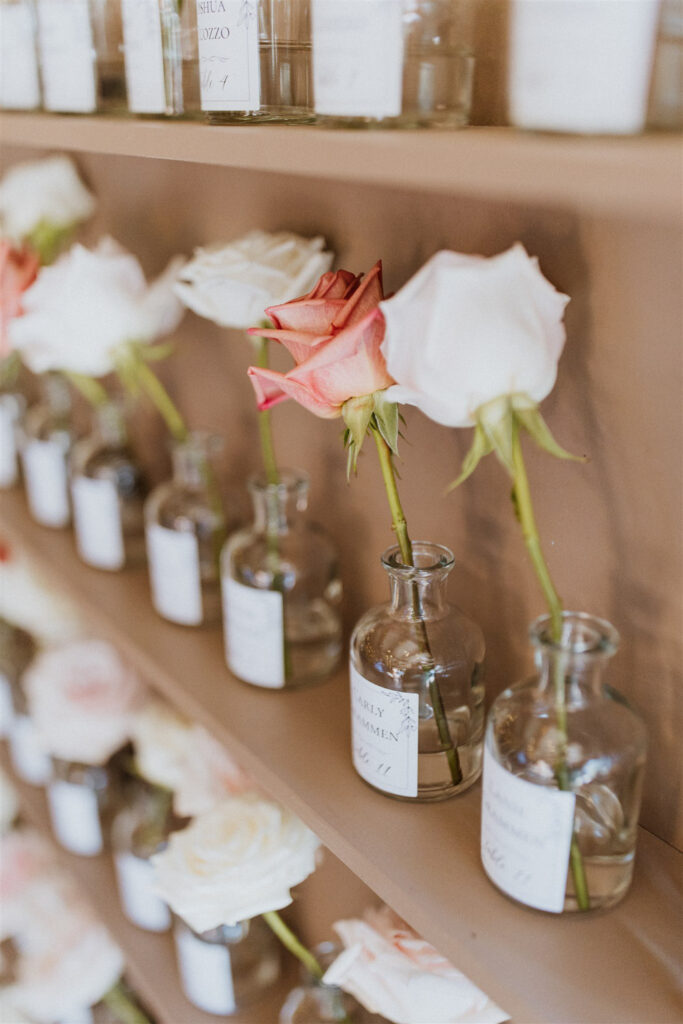
Why a Wedding Seating Chart Still Matters Today
Couples often say they want the reception to feel relaxed.
Of course they do.
But relaxed does not happen by accident.
Relaxed usually comes from a strong plan that removes uncertainty before guests ever feel it. That is exactly what the seating chart does. The Knot’s ceremony seating guidance notes that “winging it” can create issues, and recommends a deliberate seating plan to keep the process smooth and important guests properly placed.
At Ma Maison, we see this every season. The receptions that feel effortless are rarely the ones with no plan. They are the ones where the plan is so thoughtful that guests barely notice it.
A seating chart helps:
- prevent awkward guest interactions
- ensure everyone feels included
- support older guests and guests with mobility needs
- create smoother dinner service
- reduce confusion when guests enter the reception
- protect the emotional energy of the room
That is not rigidity.
That is hospitality.
And for couples searching for wedding venues in Austin, it is one of the clearest examples of how thoughtful planning shapes the guest experience more than people realize.
The Story Hidden Inside Every Reception Table
Let us imagine the room for a moment.
The candles are lit.
The place cards are waiting.
The reception doors open.
Now imagine two versions of the same wedding.
In the first, there is no seating chart. Guests drift in uncertainly. Couples scan the room for open chairs. Extended family members cluster together, leaving newer guests unsure where they belong. An older aunt ends up near the speakers. A college friend sits awkwardly beside relatives she has never met, while the cousin who would have adored her is three tables away. Service slows because table assignments are messy. The atmosphere becomes slightly hesitant before dinner has even begun.


In the second version, the seating plan has been thoughtfully built. Grandparents are seated comfortably. Family dynamics have been handled with grace. Friends who will connect easily are grouped together. Guests from out of town have a table where they will feel included. The room settles quickly. Conversation begins. Dinner service moves beautifully. Nobody has to wonder where they belong.
That is the difference a seating chart makes.
It tells every guest, in the gentlest possible way:
We thought of you.
Seating Charts Prevent Awkward Guest Interactions
This may be the most obvious reason, but it is often underestimated.
However, not every guest should be left to sort out their own social life at a wedding reception.
Blended families, divorced parents, estranged relatives, old friendships, new partners, and differing personalities all show up in the same room. In reality, good hosts understand that “everyone will figure it out” is not really a strategy.
A seating chart gives couples the chance to prevent avoidable tension.
More importantly, it helps answer questions like:
- Who should absolutely not be seated together?
- Which guests will be more comfortable with familiar faces nearby?
- Which tables need a strong conversational anchor?
- Which guests are shy and would benefit from being placed with warmer, more outgoing people?
- Which friends and relatives have enough in common to enjoy the evening together?
Ultimately, it is care, thoughtfully expressed.
It is also wisdom.
Experienced hosts know that the wrong table can quietly change someone’s entire experience of the reception. The right table can make them feel included, relaxed, and genuinely happy to be there.
Seating Charts Help Everyone Feel Included
A wedding reception can be joyful and lonely at the same time, depending on where a guest lands.
This is especially true for:
- single guests who know only the couple
- plus-ones attending for the first time
- out-of-town friends
- older people relatives
- coworkers who may know no one outside their immediate circle
- college friends from different seasons of life
A thoughtful seating chart is one of the easiest ways to remove that loneliness.
The Knot’s recent accessibility guidance also emphasizes that weddings should be designed so guests feel included, not just accommodated, and that accessibility goes beyond physical mobility alone. That same principle applies socially.
Inclusion is not accidental.
Rather, it is designed.
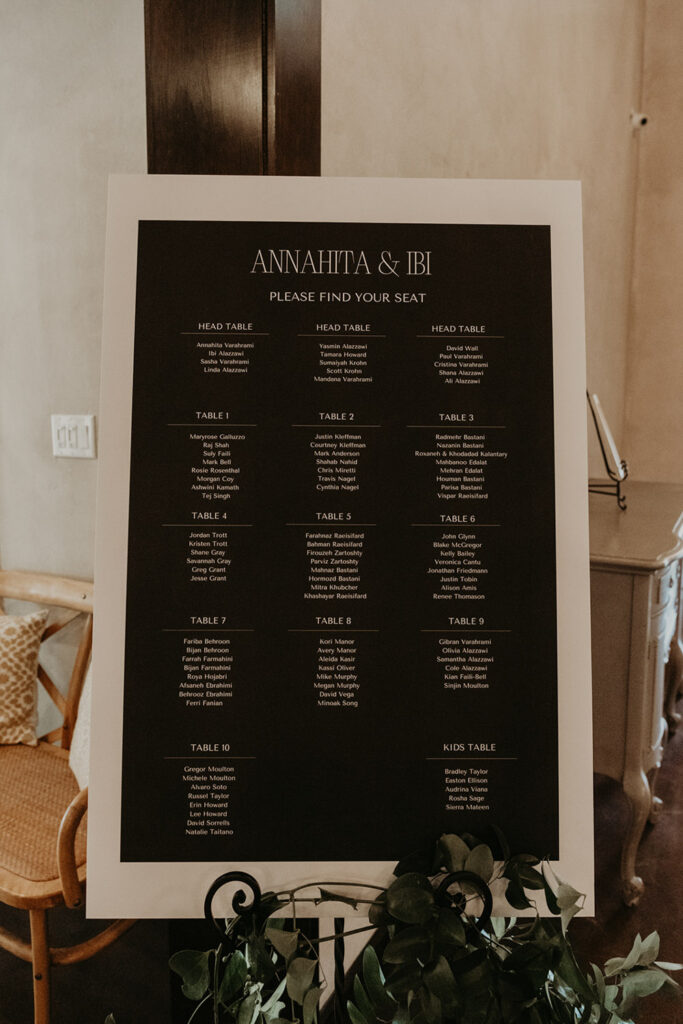
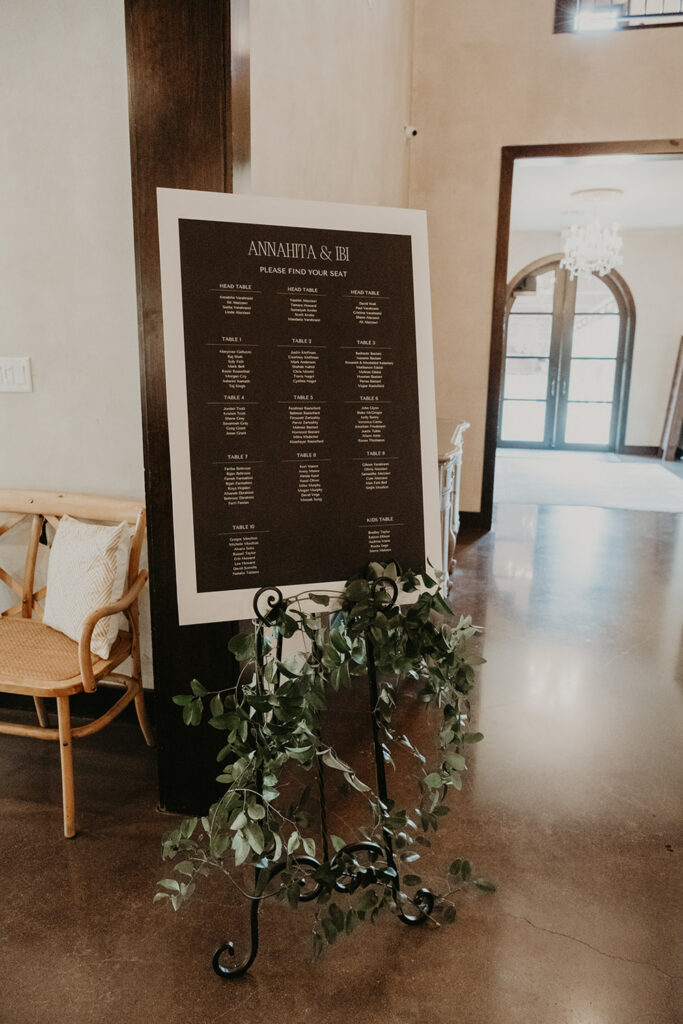
At Ma Maison, where so much of the guest experience depends on warmth and flow, seating becomes one of the quietest but strongest ways a couple can practice good hosting. When guests know where they belong, they settle in faster and enjoy more.
That changes the whole room.
Older Guests Deserve Comfortable Placement
This point matters deeply.
Not all seating concerns are social. Some are physical.
Older guests often need a little more thought when it comes to comfort, accessibility, proximity, sound, temperature, and ease of movement. The Knot’s accessibility guidance urges couples to actively consider mobility and accommodation needs when planning a wedding experience.
A good seating chart can help by considering:
- shorter walking distance from entry to table
- easier access to restrooms
- a quieter part of the reception space
- distance from speakers or high-traffic bar areas
- comfortable access to exits or pathways
- stable seating arrangements near familiar family members
This is one of the loveliest reasons seating charts still matter.
They allow couples to honor the people who have loved them the longest.
At a place like Ma Maison, where the setting is beautiful but the guest experience matters just as much, this kind of thoughtfulness is what makes elegance feel real.
A Seating Chart Helps the Reception Flow Better
There is also the logistical side.
A reception is not just a dinner party. It is a timed experience.
Guests arrive.
They find their table.
Service begins.
Toasts happen.
Dinner clears.
Dancing opens.
When seating is unclear, every part of that sequence slows down.
Servers hesitate. Guests wander. Conversations bunch up at the entrance. Table release for buffet or plated service becomes clumsy. The room takes longer to settle.
A clear seating chart creates momentum.
It helps the reception move from welcome to dinner without that awkward in-between lull where no one is quite sure what happens next. Emily Post’s broader hosting guidance also reminds hosts that part of good hosting is leading the event and helping guests know what comes next.


In other words, a seating chart is not only social design.
It is operational design too.
And that matters at all Austin wedding venues, especially when couples want the evening to feel polished and easy.
Why Couples Resist Seating Charts
Let us be fair.
There are reasons couples avoid this task.
It can feel emotional.
It can feel political.
It can feel impossible.
Often, couples resist seating charts because:
- they do not want to offend anyone
- they feel overwhelmed by family dynamics
- they hope guests will sort it out themselves
- they are waiting on final RSVPs
- they do not know how to start
All of this is understandable.
But avoiding the seating chart does not remove the dynamics. It just pushes them into the room on wedding day.
That is rarely where you want them.
The truth is that a thoughtful seating chart is not a sign of controlling energy. It is a sign of mature hosting. It says, “We know this gathering matters, and we want people to feel comfortable inside it.”
That is exactly the kind of wisdom that separates a merely pretty reception from a truly gracious one.
How to Build a Better Seating Chart
You do not need to approach it with fear. You need to approach it in the right order.
First, start with your non-negotiables
Place immediate family, grandparents, and anyone with accessibility or mobility needs first.
Next, identify sensitive relationships
Make a list of any pairings or groupings that would create tension, discomfort, or emotional strain.
Then, group by social ease
Seat guests with people they know or would naturally enjoy.
After that, think about energy
Mix talkers, listeners, extroverts, and quieter guests in a way that feels balanced.
At the same time, consider age and comfort
Do not place older guests near speakers, drafts, or long walking routes if you can avoid it.
Additionally, support your plus-ones
A plus-one should not feel like an afterthought. Seat them where they can comfortably join conversation.
Finally, use your planner’s perspective
If you have a planner, lean on them. They often see room flow and interpersonal issues from a very practical angle.
At Ma Maison, this is exactly the kind of behind-the-scenes planning that turns a beautiful space into a truly welcoming experience. You can explore more planning wisdom on our blog, learn about our guest-centered philosophy here, and gather visual inspiration on our Pinterest.
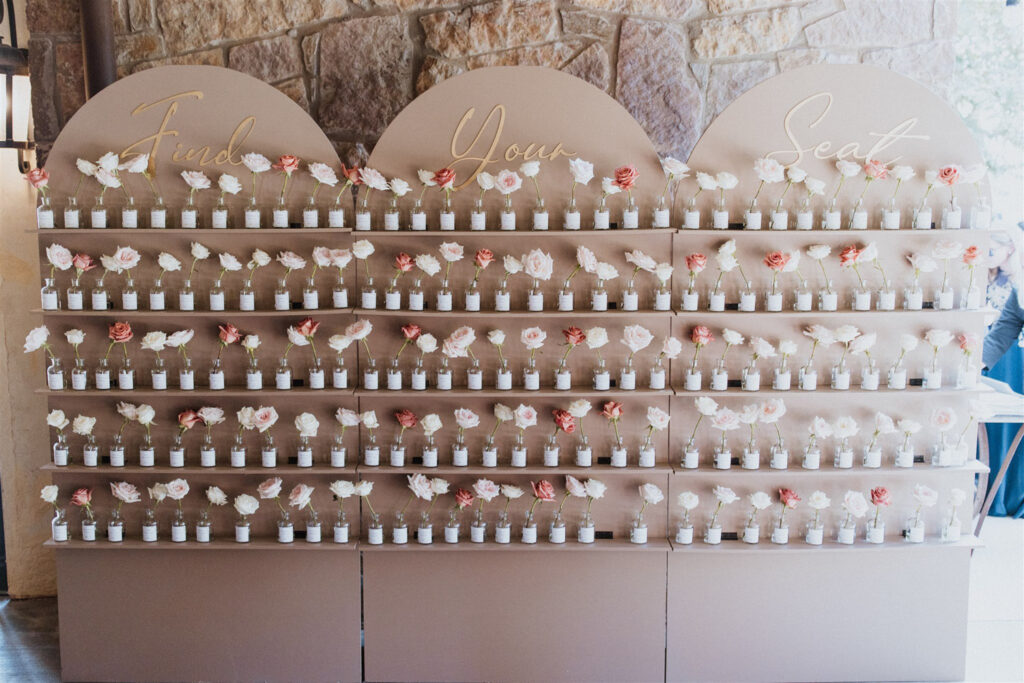
Why Couples Choose Ma Maison
Couples choose Ma Maison because they want more than a gorgeous backdrop.
They want a celebration that feels intentional from beginning to end.
They want guests to walk in and feel cared for.
They want the room to feel warm, not chaotic.
They want beauty supported by thoughtful flow.
That is why details like seating charts matter here.
At Ma Maison, we believe hospitality lives in the invisible choices just as much as the visible ones. The candlelight is lovely. The architecture is romantic. The gardens are unforgettable. But the real guest experience is also shaped by clear communication, a thoughtful timeline, and a seating plan that helps everyone relax.
For couples comparing garden wedding venues in Austin, that blend of beauty and practicality matters.
If you’re ready to plan a wedding that feels elegant because it has been carefully hosted, we’d love to show you around. You can contact us here.
Frequently Asked Questions
Do we really need a seating chart for a wedding?
In most cases, yes. A seating chart reduces confusion, helps dinner service run more smoothly, and supports guest comfort, especially when you have a larger guest list or multiple family and friend groups.
What if we want a relaxed wedding reception?
A relaxed reception usually benefits from a thoughtful seating plan. Leaving seating entirely open can create uncertainty and awkward social dynamics instead of ease.
How do we handle difficult family dynamics in a seating chart?
Start by identifying any relationships that need distance, then build tables around comfort and emotional ease rather than tradition alone. The goal is not to force closeness. It is to preserve peace.
Should older guests be seated in special areas?
Yes, when possible. Consider quieter locations, easier access paths, and proximity to restrooms or close family members. Accessibility-focused planning improves inclusion for everyone.
Is a seating chart still necessary for smaller weddings?
Often, yes. Even intimate weddings can benefit from intentional placement, especially when guests come from different parts of the couple’s life or when comfort and conversation matter deeply.

Final Thoughts
A seating chart may never be the most glamorous part of planning.
But it is one of the most gracious.
It prevents awkwardness before it starts.
It protects comfort before anyone has to ask.
It creates belonging without drawing attention to itself.
And that, in many ways, is the very definition of elegant hosting.
Couples often think seating charts are optional because they imagine guests simply finding their way. Experienced hosts know better. They know that a beautiful evening is not built on hope alone. It is built on thoughtfulness.
So if you are planning the party of the century, do not underestimate the power of where people sit.
If Ma Maison feels like the perfect place to say “I do,” we’d love to show you around. Schedule your private tour today and start bringing your dream wedding to life.
Signed,
Your Fairy Wedmother
Photo Credits: Southern Love Studio, PhotoHouse Films, Colette Elyse Photography, Tim Waters Photo And Film

